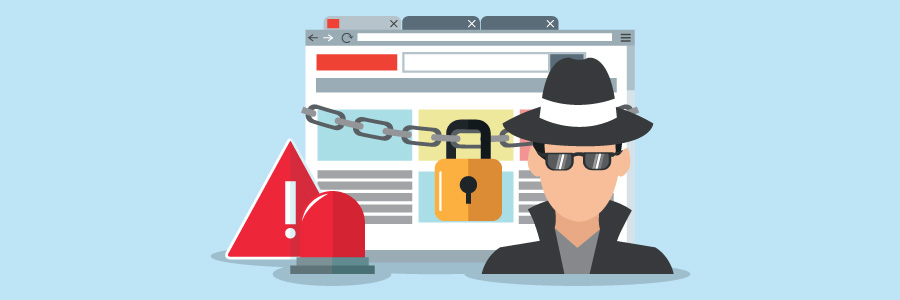
Hackers come from all different backgrounds. Some hackers are motivated by money and politics, while others simply hack systems for fun. In this blog post, we will define the three kinds of hackers and how each one differs from the others.
A complicated history
In the 1950s, the term “hacker” was vaguely defined as someone who explored the details and limits of computer technology by testing them for a variety of purposes.
In many industries, remote working is becoming an increasingly popular option for employees. But with the freedom and flexibility of working from home comes a new set of cybersecurity risks. Read on to learn security best practices for remote workers.
If you’re managing a remote workforce, you may wonder whether your team is doing their jobs or wasting time watching random videos on the internet. Using employee monitoring tools is a good way to keep track of your team’s productivity. But is this practice ethical? Read on to learn more.
Data breaches are becoming more prevalent these days. In order to keep your business safe from data breaches, you need to step up your security measures. One of the best ways to strengthen your security is by implementing a two-factor or a two-step authentication process.
Businesses of all sizes are prime targets for a cyberattack, so they must be proactive and have a cybersecurity strategy in place must be proactive and have a cybersecurity strategy. To be effective, that strategy must include IT security audits. As a vital component of a cybercrime protection system, regular IT security audits can help reduce risk, strengthen controls, enhance security, and improve overall business operations.
With modern cyberattacks targeting companies of all sizes, businesses cannot afford to relegate cybersecurity to the bottom of their list of priorities. When it comes to cybersecurity, even small- and mid-sized businesses (SMBs) would do well to get help from an expert.
Hackers have found a clever way to get around anti-malware software — they’re using fileless malware, a type of malicious software that's not as visible as traditional malware. This means it can infect your entire infrastructure without you even knowing.
Hackers may have found an effective way to track users using a web browser or password manager’s password autofill feature. Here’s how they do it and what you can do to protect yourself.
Why password autofill is so dangerous
Modern web browsers and password managers have a feature that enables usernames and passwords to be automatically entered into a web form.
More and more businesses are choosing to monitor their employees’ online behavior, as it’s one way of keeping their data and devices secure. However, there are consequences to monitoring your employees’ activities. For instance, doing so can make them feel like their privacy is being violated, which can affect productivity and morale.
The average person goes through anywhere between one and a dozen assorted emails per day, but have you ever experienced receiving a few thousand emails in a span of a few hours? If so, you may be experiencing a distributed spam distraction (DSD) attack.